This Blog Comprises Three Short Paragraphs
Okay, this is going to be a short but concise post here. Repeat after me: “The whole comprises the parts…
Okay, this is going to be a short but concise post here. Repeat after me: “The whole comprises the parts…
Writers need to know what types of terms are put in italics. Think in terms of relative size. Shorter works…
Lots of little words mess us writers up. Here’s a list of some with their proper spelling (and note whether…
Hyphenation is a real problem for writers. There are so many rules, and sometimes no consistency to them. The best…
Due to great demand, I thought I would give you a partial list of my “weasel words.” These are words…
Writers have heard a lot about avoiding passive voice or passive construction. Some are overly neurotic about this topic, making…
I am a stickler for strong nouns and verbs. I got this bug from a college creative writing teacher. Perhaps…
For some reason, writers like to use a character’s name often in dialogue: “You know, Alice, I really like those…
I sometimes have trouble with the preposition onto. Some of the time it’s pretty easy to know when I mean…
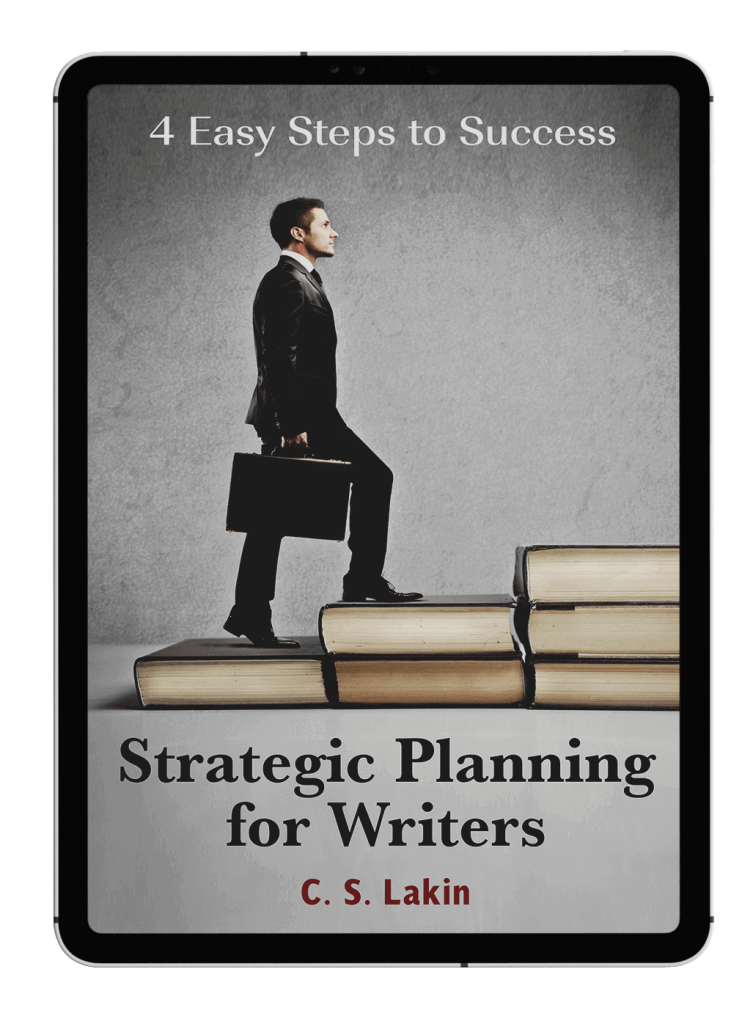
Subscribe to my email blasts to level up your writing and be notified of upcoming events and offers!
No products in the cart.