Are you ready to write a terrific novel?
It’s time to get the experienced help you need!
Are you ready to write a terrific novel?
It’s time to get the experienced help you need!
There is no reason you can’t write a great novel.
A novel is a huge undertaking that can be daunting and difficult. But if you have a passion for storytelling and love words, and if you’re willing to do the work, it’s within reach!
Hi, I’m C. S. Lakin –
Let’s get to know each other!
For nearly two decades I’ve helped more than 6,000 writers learn the skills and techniques to become masterful writers. Whether you have a spark of an idea for a book and have never attempted writing fiction or you’ve written multiple novels and need to level-up your craft to greater mastery, you will greatly benefit from my coaching and mentoring.
What My Clients Say About My Services
How I can help
you get started
I offer an assortment of resources and pathways to help you achieve your writing goals.
Explore your options below:
Online Video Courses

Crafting Powerful Settings
Masterful writers craft powerful
settings that transport their readers
into the world of their story.
You can too.
$99

8 Weeks to Writing a
Commercially Successful Novel
To write a blockbuster novel,
you need to showcase 8 essential
elements in your scenes. This intensive
course will show you how.
$149

Emotional Mastery for
Fiction Writers
How to effectively show emotion
in characters and evoke emotional
response in readers.
$197
Coaching Packages: for writers of all levels
To take your writing to the next level and your story from good to great, you have to become a master of your craft. Through my coaching and mentorship programs, you’ll not only discover what areas of your writing and story building need work but also how to skillfully improve. My unique teaching methods have helped thousands of writers craft riveting, compelling, and solidly-structured novels that entertain and delight readers.
Coaching – one time
One-Hour Consultation
$150
One-hour consultation on Zoom:
Let’s brainstorm your ideas, sticking points in your story (where you’re stuck), go over your story synopsis, or discuss anything writerly. (Book as many as you need.)
Coaching Packages
Ongoing Monthly Coaching
$295 – 495
/ monthly
Option 1:
$295 a month (one one-hour Zoom session and 20 pages critiqued each month. Opt in and out any time).
Option 2:
$495 a month (two one-hour Zoom sessions and 30 pages critiqued).
Mentorships
What makes these mentorship programs unique and exceptional is you’ll get all the help you need to complete your book. I’ll be available to you anytime you’re stuck, need feedback on ideas or passages you’ve written, or want to brainstorm your plot and characters.
From Idea to Outline
$600
/ monthly
Got ideas simmering for a novel? Whether you’re at the brainstorming stage or have a messy draft, this is the best way to bring order to your creativity!
Every writer, regardless of their experience, can greatly benefit from this unique 3-month mentorship. Utilizing a time-tested process, you’ll be amazed how quickly and easily you’ll organize your plot and character elements into a solid story.
This mentorship includes the following:
- 2 one-hour Zoom sessions a month
- Unlimited email correspondence to kick around ideas, get unstuck on any aspect of your story, and discuss anything else you’re struggling with
- Free access to more than 15 hours of video recordings from master classes on premise and scenes structure
- Free enrollment in the video courses “The 10 Key Scenes That Frame Up Your Novel” and “The 4 Foundational Pillars of Novel Structure.”
Even if you’re a “pantser” (writing by the seat of your pants), you’ll find the process intuitive and freeing, allowing you to discover your story as you put all the pieces together in the most effective way.
“With Susanne’s instruction, “I have learned so much in such a short space of time. It was a big commitment to make, but it was so, so worth it. The very best outcome is beyond exciting, and I feel far more confident about making that dream a reality.” — Liz Thompson
From Outline to Finish
$600
/ monthly
Whether you’ve completed your outline and you’re ready to start writing your scenes or you have a solid draft but need help to get across the finish line with a strong, commercially viable novel, this mentorship is for you!
A 3-month commitment is required, but you are under no rush to finish. You can continue on a month-to-month basis until you reach your writing goals.
This mentorship includes the following:
- 2 one-hour Zoom sessions a month
- Unlimited email correspondence to kick around ideas, get unstuck on any aspect of your story, and discuss anything else you’re struggling with
- Free access to more than 15 hours of video recordings from master classes on premise and scenes structure
Having a professional accountability partner will enable you to make steady progress and burst through the obstacles in your pathway to success!
“Susanne has an amazing ability to analyze scenes and point out the subtleties of what works and why. As an instructor, she is encouraging and patient. You’ll love working with her!” —Dana Killion
“Susanne is extremely knowledgeable of industry trends, effective pacing, and structure protocols for creating successful commercial novels in today’s environment, and devotes her time, energy, and support to her students. I would recommend her to both beginning and experienced novelists.” —Kendrick Smith
Whatever challenges you face…
My coaching and mentorship programs will provide personal direction, instruction, encouragement, and accountability.
The Writer’s Toolbox Series
Next Steps for Your Manuscript



Ready to take a leap with your writing?
Let me know how I can help!
I cheer you on every step of the way.
I’ll help you reach each milestone of your writing goals, develop your skills, complete a first draft, and finally have in hand a polished manuscript ready to submit to literary agents or self-publish.
Waiting for the Next Master Class?
Cinematic Sizzle will leave the station as soon as enough writers sign up!
Want to learn how to make your novel scenes sizzle with cinematic technique? Readers love novels that feel like a movie bursting with sensory details. It’s the ultimate “show, don’t tell” mastery!
In this intensive course, you’ll have the option to participate in a small critique group, where you’ll put into practice what you learn. For intermediate to experienced fiction writers who are ready to submit and critique scenes. Class meets weekly on Zoom (days/times TBD based on participants’ schedules). Cost: $200/month for three months.
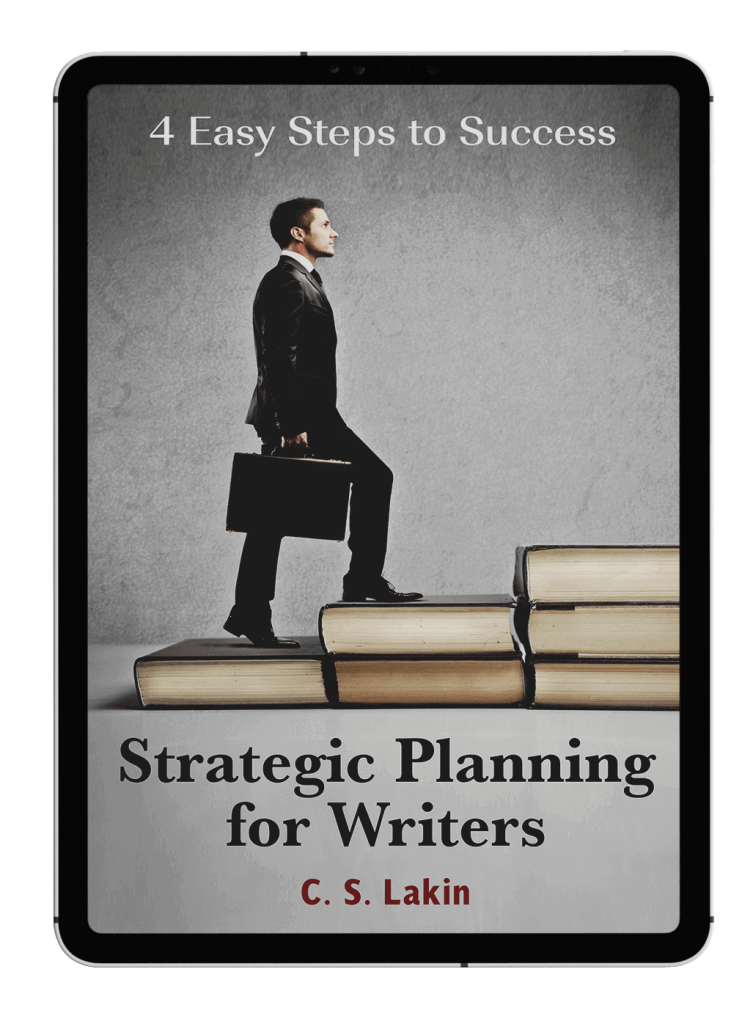
Get your Free Ebook!
Subscribe to my email blasts to level up your writing and be notified of upcoming events and offers!