Using Contradictions to Create Microtension – Part 6
One of the most powerful ways to create microtension is through contradictions between a character’s internal state and the setting around them. Readers naturally expect setting to reinforce mood. A sunny beach suggests happiness. A dark forest suggests danger. But when those expectations are disrupted, here’s where microtension can enter the scene. (If you’ve missed all the posts in the series, start with the first one HERE.)
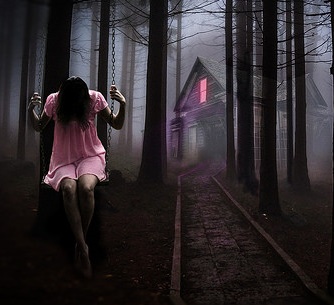
This technique works by creating dissonance between what the environment suggests and what the POV character feels or perceives. The setting might be beautiful, peaceful, or inviting, yet the character experiences dread, resentment, suspicion, or unease. That mismatch keeps readers alert. Something doesn’t quite fit.
Writers can also create this kind of tension by connecting small environmental details to a character’s inner conflict. A description isn’t neutral—it’s filtered through the POV character’s perception (or, at least, it should be). When their emotions are unsettled, even ordinary surroundings can feel slightly off. A pleasant setting may contain small elements that disturb the mood, or the character may interpret otherwise harmless details as threatening.
 Another effective variation is to give the character mixed feelings about the setting itself. They might be drawn to it and wary of it at the same time. This internal push-pull infuses otherwise quiet moments with tension.
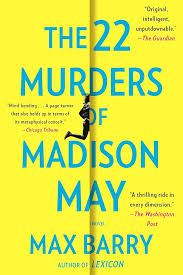
A great example of this technique appears in The 22 Murders of Madison May by Max Barry—one of my all-time favorite novels, which is chock-full of microtension. In this scene, Maddie decides to hightail it out of the city, where she recently noticed a disturbing man following her. Her friend Zar suggests they go to a peaceful lake house. The environment is idyllic, and her friends are carefree, but Maddie cannot fully shake her sense of danger.
Here is the last section of the scene:
Ahead, Jorge whooped and began to run. The trees were thinning, the earth turning gritty beneath Maddie’s feet, and she emerged into sunshine and bright sand. On either side, the water curved to promontories of dark rocks. Here, at last, were people, but only a few: a middle-aged couple walking barefoot on the sand; a family with a dog; teenagers exploring the rocks. Jorge sprinted toward a sun-bleached pier that was spackled with ancient bird shit, leaped off the end, and disappeared. Water fountained.
Zar let go of Maddie’s hand and ran, passing Liam, who was still on the sand. At the end of the pier, she jumped, her hair trailing in a long black streak.
Maddie and Liam followed at a walk. A board creaked beneath her foot. At the end of the pier, they found Jorge and Zar treading water.
“It’s so amazing,” Zar said.
Liam glanced at her, then launched into a fairly impressive cannonball. He came up and shook his head, flinging droplets.
Out of nowhere, the answer to the question that had been bugging Maddie popped into her head.
Oh, she thought. It’s a horror movie.
She’d been misled by the opening. Four happy young people; her brain had been searching for something upbeat. But the characters were always happy and overconfident as they headed off to their cabin in the woods, or their house on the lake. Only later did the tone change, when night fell.
“Maddie!” Zar shrieked. “Jump, you coward!”
Actually, it began even earlier than that, didn’t it? Before the road trip, there was a prologue to establish a sense of danger. Usually something creepy involving the lead. A close encounter, to establish the idea that she was marked.
“Maddie!”
Below her, the water sparkled like knives. She felt cold, as if a cloud had passed in front of the sun … [But] she was not in a movie. She was not an imperious Southern lady fallen on hard times. She was twenty-two, on a pier, in a cute bikini. She forced a smile and jumped.
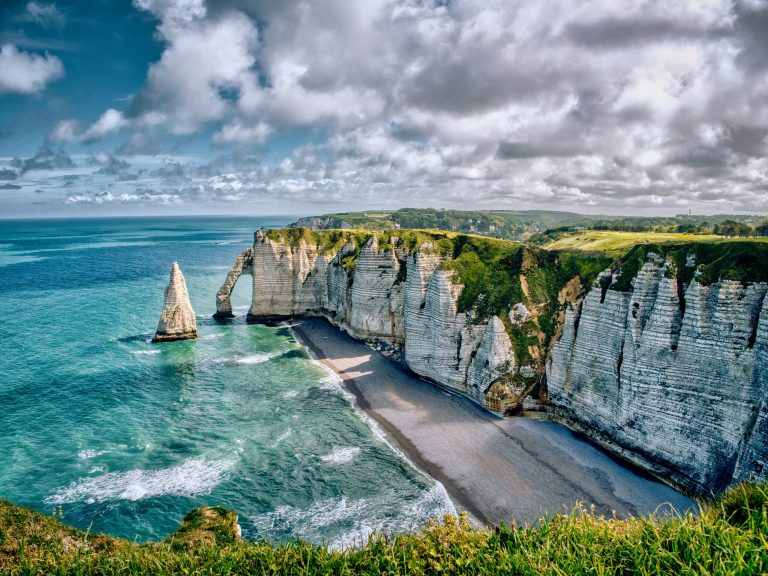
On the surface, the setting is peaceful and inviting. Sunshine, bright sand, and sparkling water suggest relaxation and fun. Families stroll the beach. Friends laugh and leap from the pier. Everything about the environment says safety.
But Maddie’s thoughts contradict the appearance of things.
Her mind reframes the entire situation as the beginning of a horror movie: four carefree young people heading to a cabin by a lake before the danger begins. This internal interpretation undermines the idyllic setting as readers, knowing what horrific things are about to happen, want to scream out a warning to her.
Even small details contribute to the unease. The pier is “spackled with ancient bird shit.” The water “sparkled like knives.” These images subtly contaminate the beauty of the setting. Nothing overtly dangerous happens, yet the descriptions tilt the mood just enough to suggest that something is very wrong.
Notice also how Maddie’s physical response mirrors her emotional tension. She suddenly feels cold, as though the sun has disappeared behind a cloud. The environment itself hasn’t changed; her perception of it has. The setting becomes unsettling because of her shifted perspective.
This is the essence of microtension created through setting contradictions: the environment promises one thing while the character experiences another.
When you’re writing your scenes, look for opportunities where setting and emotion can conflict rather than align. A beautiful location might fill a character with dread. A cozy room might make them feel trapped. A peaceful gathering might feel like the prelude to disaster.
And the opposite can work just as well—a chaotic or frightening development might reveal a character’s unexpected, incongruous response, one of calm serenity, confidence, or clarity. However, give your characters good (believable) reasons for feeling the way they do.
Those subtle contradictions quietly charge the scene with microtension—and keep readers turning the pages.
Want to learn how to craft powerful settings infused with microtension? Take my extensive online courses: Crafting Powerful Settings and 8 Weeks to Writing a Commercially Successful Novel!
Featured Photo by Eugene Triguba on Unsplash